Unreadable Poem

Dipping the feather of the imagination in the ink of eclipsed wounds
The insufferable stupor of recovery staining our creative dejection
Our rejection, the simple negation to all illusory satisfaction
When have I seen you clearer dear Nature
is it not when I carry swollen heart beats
The last, at last, strength necessary
to care not and endure resignation
And you carry on, bemusing me
with irrevocable volatility
savagely laughing
at all temporary maxims
That life loves to refute these
Make our grasping unsuccessful
Our understanding a tragic comedy
How to deal with your sickly transitoriness
Lasting revelry enjoyed by the nihilistic-spirited
The few that cultivate their joy in uncertain opinions
Friendly foe! Bearer of all things, transform my low seductions
Turn me into a prisoner of your suspicious truth, and my words
                                                                                                        will never draw near it.
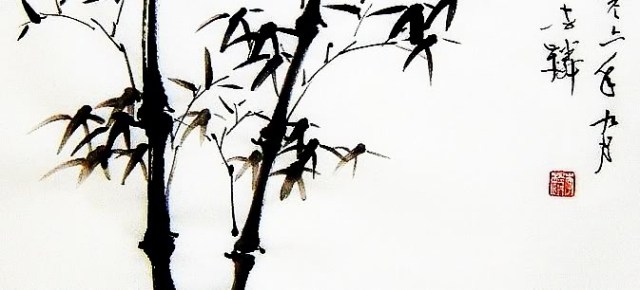
Knowledge as Art

Chinese_art_and_poetry

Rhythm is something we can never define. It is the course by which all things move. We can never define it because it is always teaching us and we are never commanding it. The motion of the stars, the shivering of leaves by the touch of the wind, the steps of a tango dance, the flush of a toilet, the swerving molecules of air that produce sound, all things under and beyond our scorching star have a rhythm and this we can never define, because it never stops. It has not ever been static but constantly destroying present configurations for novel melodies of motion. The object of art in Chinese culture tries to capture this rhythm, by placing it on a canvas as an extension of the same rhythm the artist is trying to imitate. The Chinese artist follows several principles to ascertain his human creation of the natural flow or rhythm found in nature. He strives first of all to contemplate the natural rhythm of things by a non-forced condition they call wu-wei (non-action/ no effort). Once they become effortlessly aware of this flow of things, they then try to paint being themselves nothing more than a natural extension of this same flow they have discovered in the things of the world. When we turn to the West, we find another activity which resembles this attitude in Chinese art: it is called the pursuit of knowledge. The aim of knowledge is that of portraying an accurate image of reality in a set system of words and definitions. It has to proceed in a way that will imitate the rhythm of nature, through it we are doing nothing but a replica — we are duplicating our experience. We create a painting of the functions of the world by tinctures of words, sentences, definitions, propositions and paint all this on our minds– serving as a canvas. The ultimate goal of knowledge is not a set of coordinates for reality – it is not just a map of experience: it is a representation of all that comes through our senses, our awareness, and creates a picture of it in our minds with the artistic tools of language and logic.

The origin of inspiration


The eternal present.

Unfortunately, it is only a transitory condition I am sometimes blessed to experience. Far from being a permanent state in which I find myself, it is only in those divine moments when I’m totally centered and aware of all that surrounds me that I sigh, and stunned, silently pronounce my astonishment.I had such a moment today. Perhaps all too short since I started to describe it in words. I was traveling from my home to my work office. I’m lucky enough to pass every day through a mountain hill that allows me to view part of Costa Rica’s central valley in great depth. The view is breathtaking. Mesmerizing. It is enormous, the mountains, the slopes they produce and the great plains that support such monstrous pieces of rock. I wasn’t sitting near the closest window to such view. Between my eyes and that sight that I so highly revere was a row of bus seats and in one of them sat a young girl. Far from obstructing my view, it enhanced it. I could compare the magnitude of the geography I was musing with the size of a small human being. The result was that of making the sight even greater in size and significance, and my identity as a human smaller and humbler in feeling. It was there, the greatness, the majestic quality of this planet and it faded slowly as the bus rode down the hill and entering a nearby town. Now only a memory of it remains but the power by which it shook me still permeates my breath…